New Build or Existing Home: Which One Is Right for You?
Homebuyers today are facing a huge dilemma. There simply aren’t enough homes for sale.1
Nationwide, the number of newly listed homes dipped slightly in September, down 1.6% from August. According to the Canadian Real Estate Association, that’s only about 2.1 months of inventory, which is far less than the five to six months that is generally needed to strike a healthy balance between supply and demand.2
Given the limited number of available properties, if you’re a buyer in today’s market, you may need to expand your search to include both new construction and resale homes. But it can feel a little like comparing apples to oranges.
Let’s take a closer look at some of the factors you should take into account when choosing between a new build or an existing home.
TIMEFRAME
How quickly do you want (or need) to move into your next home? Your timeframe can be a determining factor when it comes to choosing between a new build or resale.
New Build
If you opt for new construction, you may be surprised by how long you have to wait to get the keys to your new digs. Nationally, the average timeline has more than doubled over the past 20 years from 9 to 21 months.1 And according to a survey by the Canadian Home Builders’ Association, nearly 60% of builders are reporting delays—averaging six weeks—due to supply-chain disruptions brought on by the pandemic.3
These supply shortages have led to soaring prices, causing some builders to cancel contracts or demand more money from unsuspecting homebuyers long after agreements were signed.4 Unfortunately, this scenario can throw a major wrench in your moving plans and delay your timeline even further.
To minimize these types of surprises, it’s crucial to have a real estate agent represent you in a new home purchase. We can help negotiate contract terms and advise you about the potential risks involved.
Existing Home
If you're in a hurry to move into your next residence, then you may want to stick to shopping for an existing home.
You can typically move into a resale home on your closing date.5 While closing on an existing home can take anywhere from a few weeks to a few months, it’s almost always faster than the time it would take to build a new one.
If you need to move even sooner, it’s sometimes possible to close faster, especially if you’re a cash buyer. In fact, many sellers prefer a quick closing, so it can give you an advantage in a competitive market.
LOCATION
From commute to construction to walkability, there’s a lot to consider when choosing your next neighbourhood.
New Build
Canada is currently undergoing a major residential construction boom, and rural and smaller urban communities have been the first to benefit—primarily because the single-detached homes located in those areas take less time to build.6 That means, if you opt for a new single-family home, you could be facing a longer commute and ongoing construction for some time.
If you prefer a multifamily unit, there should be an increased supply coming on the market soon. Over the past year, condos and apartments have accounted for 55% of the housing starts. A growing number of these are located in master-planned communities that combine residential, retail, restaurants, and office space—enabling residents to live, work, and play in a single space.7
Existing Home
An existing home is more likely to be located in a neighbourhood with mature trees, established schools, and a deeply-rooted community. As a result, you may find the neighbourhood's trajectory to be more predictable than an up-and-coming area.
But the amenities may be lacking and the infrastructure dated when compared to newer communities. And while some homebuyers love the charm and eclectic feel of an older neighbourhood, others prefer the sleek and cohesive look of a newer development.
MAINTENANCE
Are you a DIY enthusiast, or do you prefer a low-maintenance lifestyle? Set realistic expectations about how much time, effort, and money you want to devote to maintaining your next home.
New Build
When you build a home, everything is brand new. Therefore, in the first few years at least, you can expect less required maintenance and repairs. A 2019 survey found that millennials' homebuying regrets often came down to maintenance issues, rather than other concerns.8 So if you would rather spend your weekends exploring your new neighbourhood than fixing a leaky faucet, you may be happier buying a turnkey build.
That doesn't mean, though, that a new home will be entirely maintenance-free. In fact, depending on the builder, you could find yourself repairing more than you expected. Some home builders have reputations for shoddy construction and subpar materials, so it's important to choose one with a solid reputation. We can help you identify the quality builders in our area.
Existing Home
No matter how good a deal you got when you purchased it, you could come to regret buying an older home if it later costs you heavily in unexpected maintenance and repairs. For example, according to the home service professional network HomeStars, the average price to replace an HVAC system is $4,995. And you can expect to pay a similar amount ($4,750) for a new asphalt shingle roof.9
Fortunately, there are ways to prepare for these large expenditures ahead of time. We always recommend that our buyers hire a certified home inspector, whether they buy a new or existing home. Once we have the inspector’s report, we can negotiate with the seller on your behalf for reasonable repairs or concessions.
ENVIRONMENTAL IMPACT
On a quest for greener living? If so, there are several factors to consider when deciding on your next home.
New Build
There’s a growing demand for energy-efficient housing, and many builders are rising to the challenge. Currently, more than one million homes in Canada have received an EnerGuide Rating, which measures a home’s energy performance against a benchmark.10 While all newly-constructed housing must meet the National Building Code requirements, there are a number of certifications that homes can earn if they receive an EnerGuide rating that exceeds these minimum standards.
Examples include the Net Zero label from the Canadian Home Builders’ Association, which is awarded to homes that are 80% more energy efficient than conventional homes and utilize a renewable energy system to fulfill their remaining energy needs. ENERGY STAR and R-2000 are other well-regarded certifications that can be earned by homes that meet certain performance standards. So if energy efficiency is a top priority, a new home with a low EnerGuide rating or recognized designation may be a good choice for you.10
Existing Home
Of course, a basic tenant of sustainable living is: reduce, reuse, recycle. And since a resale home already exists, it automatically comes with a lower carbon footprint. Research has also shown that remodelling or retrofitting an older home is often greener than building one from scratch.11
With some energy-conservation effort and strategic upgrades, environmentally-conscious consumers can feel good about buying an existing home, as well.
DESIGN
Double vanity? Kitchen island? Whirlpool tub? Must-have design features could drive your decision to build or buy resale.
New Build
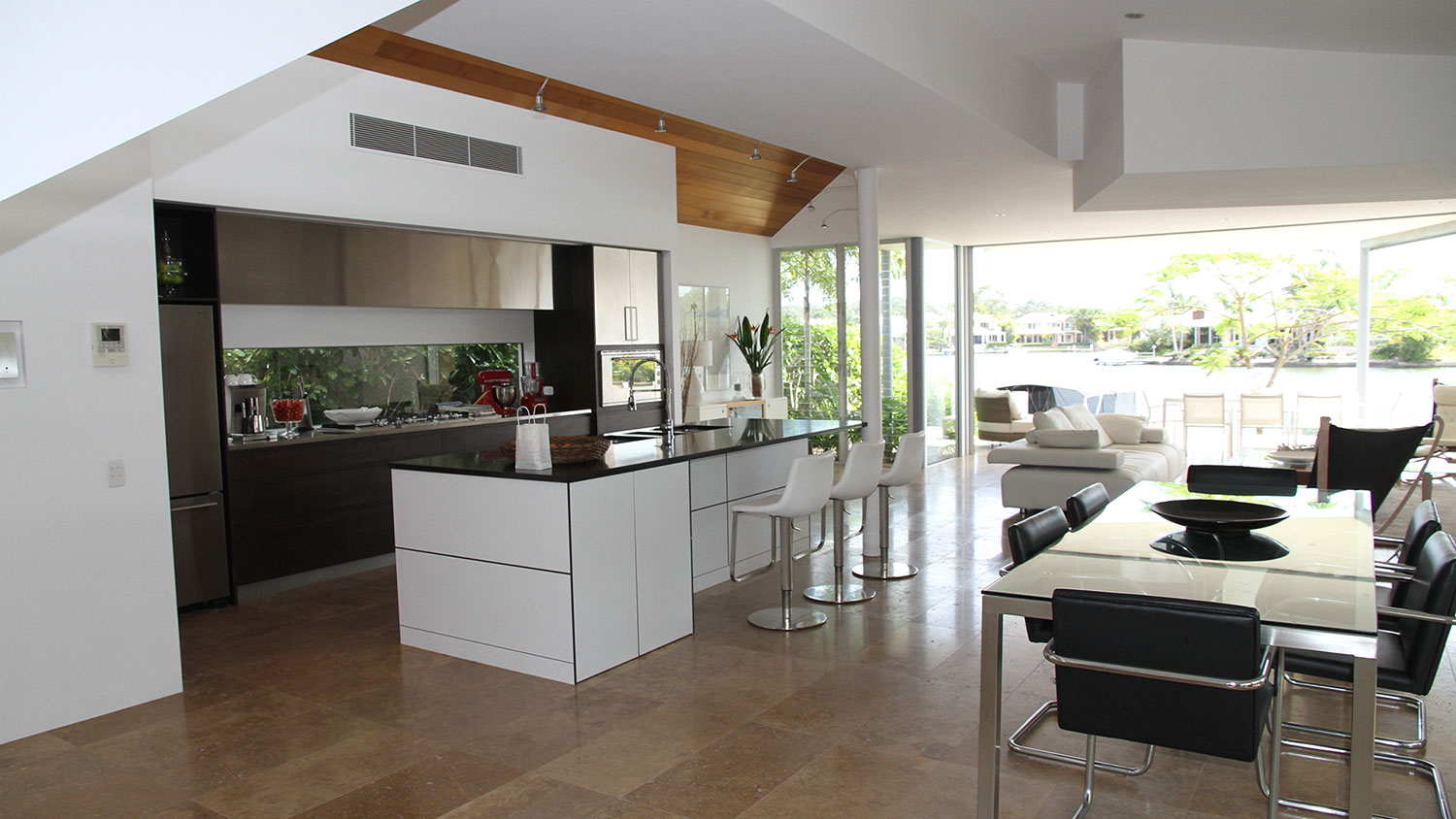
With a new home, you can bet that everything will look shiny and perfect when you move in. Builders tend to put a lot of emphasis on visual details and follow the latest design trends. For example, newly-built homes are likely to include features that the majority of today’s buyers want, such as double bathroom sinks, kitchen islands, and walk-in pantries. They’re also less likely to include home theatre rooms or whirlpool tubs, both of which have lost mass appeal.12
However, some buyers complain of the cookie-cutter feel of new homes since they are often built with a similar aesthetic. That doesn't mean, though, that you can't incorporate your own style. We can help you negotiate custom features and upgrades to personalize the space and make it feel like your own.
Existing Home
In some of the most coveted neighbourhoods, an older home with classic styling and character can be highly sought after. But unless the previous homeowners have invested in tasteful updates, an existing home is also more likely to look dated.
While some buyers prefer the traditional look and character of an older home, others prefer something more modern. If that’s the case, we can help you find a resale home that leaves enough room in your budget to renovate it to your liking.
WHICHEVER PATH YOU CHOOSE, WE CAN HELP
When it comes to choosing between a new build or an existing home, there’s no one-size-fits-all answer. There are numerous factors to consider, and you may have to make some compromises along the way. But the homebuying process doesn’t have to feel overwhelming.
We’re here to help. And in many cases, our homebuyer guidance and expertise are available at no cost to you! That’s because the home seller or home builder may compensate us with a commission at closing.
Some new-construction homebuyers make the mistake of visiting a builder’s sales office or even purchasing a home without their own real estate representative. But keep in mind, the builder’s agent or “sales consultant” has their best interests in mind—not yours.
We are knowledgeable about both the new construction and resale home options in our area, and we can help you make an informed decision, negotiate a fair price, and avoid mistakes that can cost you time and money. So give us a call today to schedule a free, no-obligation consultation—and let’s start searching for your next home!
Sources:
- RBC -
https://thoughtleadership.rbc.com/home-builders-are-tackling-canadas-housing-supply-shortage/
- Canadian Real Estate Association -
https://creastats.crea.ca/en-CA/
- Financial Post -
https://financialpost.com/real-estate/homebuilders-have-been-busy-during-the-pandemic-but-canada-still-needs-more-housing
- Better Dwelling -
https://betterdwelling.com/canadian-home-builders-are-asking-buyers-for-more-money-to-finish-building/#_
- Legal Line -
https://www.legalline.ca/legal-answers/when-can-you-move-into-your-newly-purchased-home/
- Financial Post -
https://financialpost.com/real-estate/there-has-never-been-more-housing-under-construction-in-canada-but-the-city-that-needs-it-the-most-is-missing-the-boom
- BC Business - https://www.bcbusiness.ca/2021-Real-Estate-Report-With-a-push-from-COVID-the-BC-property-market-enters-new-territory
- Bankrate -
https://www.bankrate.com/real-estate/homebuyer-regret-survey-may-2021/
- HomeStars -
https://homestars.com/cost-guides/
- Canadian Home Builders’ Association -
https://blog.chba.ca/2021/05/14/are-all-energy-efficient-homes-the-same/
- Advanced Materials Research - https://www.researchgate.net/publication/271358381_Comparative_Study_of_New_Construction_and_Renovation_Project_Based_on_Carbon_Emission
- Canadian Home Builders’ Association -
https://blog.chba.ca/2020/11/26/todays-new-home-buyers-preferences/